If you’re a wood-burning stove owner or considering installing one, you’ve likely heard discussions about air quality and the impact of wood burning. With the government’s Clean Air Strategy, published by Defra in 2019, many stove enthusiasts were concerned about the future of wood-burning stoves. The good news? The government is not banning wood-burning stoves. Instead, it is focusing on promoting cleaner, more efficient options that reduce emissions and help protect our air quality.
What is the Clean Air Strategy?
The Clean Air Strategy is the UK government’s roadmap to reducing air pollution. It recognizes that while wood burning is a popular and effective way to heat homes, the type of stove and fuel used can make a significant difference in terms of emissions. The goal is to ensure that consumers are using the cleanest stoves and the right fuel to minimize their environmental impact.
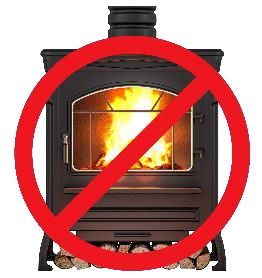
No, Wood-Burning Stoves Aren’t Being Banned!
Contrary to some misconceptions, the government does not intend to ban wood-burning stoves. Instead, it is encouraging homeowners to upgrade to Ecodesign stoves—which are more efficient and emit fewer pollutants than older models. These stoves are designed to meet stricter efficiency and emissions standards, helping to reduce harmful particulate emissions.
Why Ecodesign Stoves?
Not all wood-burning stoves are created equal. Older, inefficient stoves and open fires produce significantly more particulate emissions, which can contribute to air pollution. Ecodesign stoves, however, are a step forward in clean combustion technology, offering an 80% efficiency rate compared to the 25% efficiency of an open fire.
These stoves are built to burn wood more efficiently, minimizing the release of fine particulate matter (PM) into the atmosphere. Pairing an Ecodesign stove with Ready to Burn logs—which have a moisture content below 20%—further reduces emissions, as burning wet or unseasoned wood creates more smoke and pollution.

The Importance of Maintenance
Your stove’s performance doesn’t only depend on the type of stove and fuel you use. Regular chimney sweeping and proper stove maintenance are crucial to reducing emissions. Blocked chimneys or poorly maintained stoves can cause incomplete combustion, leading to higher levels of pollutants being released.
Additionally, how you operate your stove matters. Simple changes like making sure your stove has enough airflow, burning seasoned wood, and avoiding overloading your stove can make a significant difference in emissions and fuel efficiency.
Defra’s Role in Education and Awareness
Defra, in partnership with industry leaders, is committed to educating consumers on best practices for using their stoves. They are working to inform the public about burning the right fuel in the right appliance to minimize the environmental impact of wood burning. As a result, stove owners can continue to enjoy the warmth and ambiance of their stoves without contributing to unnecessary air pollution.

Conclusion: Embrace Cleaner, Greener Wood Burning
The Clean Air Strategy provides a path forward for responsible wood burning, ensuring that homeowners can continue to enjoy wood-burning stoves while reducing their environmental footprint. By switching to an Ecodesign stove, using dry, seasoned wood, and maintaining your stove and chimney, you can make a positive contribution to improving air quality.
Embrace the future of wood burning—cleaner, greener, and more efficient. With the right choices, you can keep your home warm and cozy while doing your part for the environment.